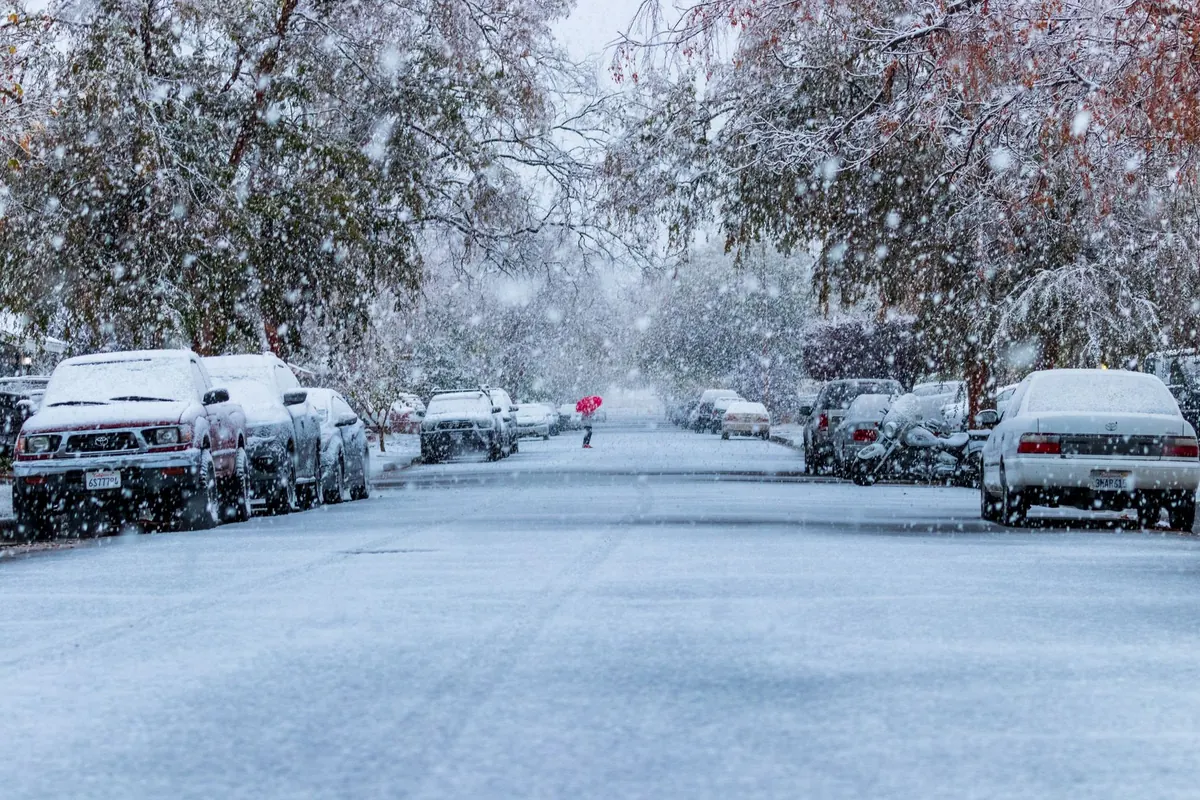
Severn valley winters arrive in layers. One morning the pavements in Shrewsbury are dry and the car starts first time. The next, the lane down to the river is sheet ice, the main road is down to one lane behind a gritter, and the flood boards are going up at Bewdley.
Most winter driving advice is written for places with proper snow ploughs and long, straight highways. Ours is narrower, wetter, and more likely to catch you out with standing water than with a blizzard. So here is what actually helps: a car that starts, a kit you would be glad to have, a few habits worth changing, and a route-checking routine that keeps you out of the worst of it.
Do this on a dry afternoon rather than on the morning you need to be somewhere.
The battery. Cold mornings expose a weak battery faster than anything else winter throws at you. If yours is several years old, a garage can test it in minutes. That is cheaper than a recovery callout on a freezing lane.
Tyres. Tread matters more in the wet than people assume — the legal minimum is a floor, not a target. Check pressures when the tyres are cold; they drop as temperatures fall, and under-inflated tyres grip worse and wear faster.
Screenwash and wipers. Use a proper winter concentration, not a weak summer mix. Slush and road salt empty a washer bottle quickly, and a smeared windscreen in low winter sun is genuinely dangerous.
Lights, heater, demister. Walk round the car and check every light, rear fogs included. Clear the whole windscreen, not just a letterbox, and brush snow off the roof before setting off — it will slide forward the first time you brake.
Small things that ruin mornings. A wipe of silicone spray or Vaseline on door seals stops them freezing shut. Keep the fuel tank above half: if a road closes and you are queuing for an hour, you want the engine running for warmth.
Build the kit once, in a bag or box you can lift out, and top it up in autumn. Keep the things you might need while standing beside the car in the dark easy to reach.
The single rule is gentleness. There is less grip, so accelerating, braking and steering all take longer and need to start earlier. Do one thing at a time rather than braking and turning together.
Leave at least double your normal following distance, and double it again on ice. Brake before a bend, not in it. Going uphill, keep steady momentum so you do not have to stop; going down, select a low gear and let the engine hold you, using the brakes lightly and early.
If the car does slide, ease off the accelerator, look where you want to go, and steer towards it. Do not stamp on the brakes. Anti-lock brakes help you steer while braking, but they cannot create grip that isn't there.
Two local habits are worth knowing. Bridges freeze before the roads either side of them, and lanes under trees along the valley stay icy long after the main roads have cleared. Black ice looks like wet tarmac, and it is most likely on a clear, still morning after a cold night.
Standing water hides potholes, lifted drain covers and the edge of the carriageway. Moving water is worse: even a shallow flow can shift a small car, and once a vehicle is floating you are just a passenger.
So use a simple test. If you cannot see the road surface, if the water is moving, or if you cannot tell how deep it is, turn around. Ten minutes lost beats an insurance claim, a ruined engine and a very cold wait.
Two things catch people out here. The first is how quickly the Severn responds to heavy rain higher up the catchment — a road that was passable at breakfast can be under water by mid-afternoon, and levels often stay high for days afterwards. The second is following the car in front. It may be taller, or it may simply be lucky.
If water rises around you and the engine stalls, do not keep cranking it. Water drawn into the engine causes serious damage, and insurers may take a dim view of a restart. Get out, get to higher ground, and remember that fast-moving water can knock an adult off their feet as easily as it can move a car. If the car is flood-damaged, speak to your insurer before arranging repairs, and check what your policy actually covers.
Two minutes before you leave is worth an hour stuck at a closure. Check the flood warnings for your stretch of river, your council's road closure page, and local radio. Community groups for the valley towns are often the fastest source of "the bridge is shut" news, though treat them as a heads-up rather than gospel.
Then work out your alternative before you need it. If the riverside route is closed, which higher-ground road takes you round, and can it cope with everyone else making the same decision? Bridges are pinch points; when one closes, the next one takes the traffic.
Councils treat primary routes first. Side streets, estate roads and the lanes between villages wait, sometimes for days. Do not assume a road has been gritted because the one you left has. Gritters are slow and wide, and they throw grit — sit well back, and never overtake one on a bend or a crest.
And if the forecast is genuinely bad and the journey is optional, the best winter driving skill is deciding not to go. Delay the trip, work from home, or take the train if it is running.
Book the battery in for a test, check tyre pressures and tread, and top up the screenwash with a
Photo: Luis Martinez / Pexels